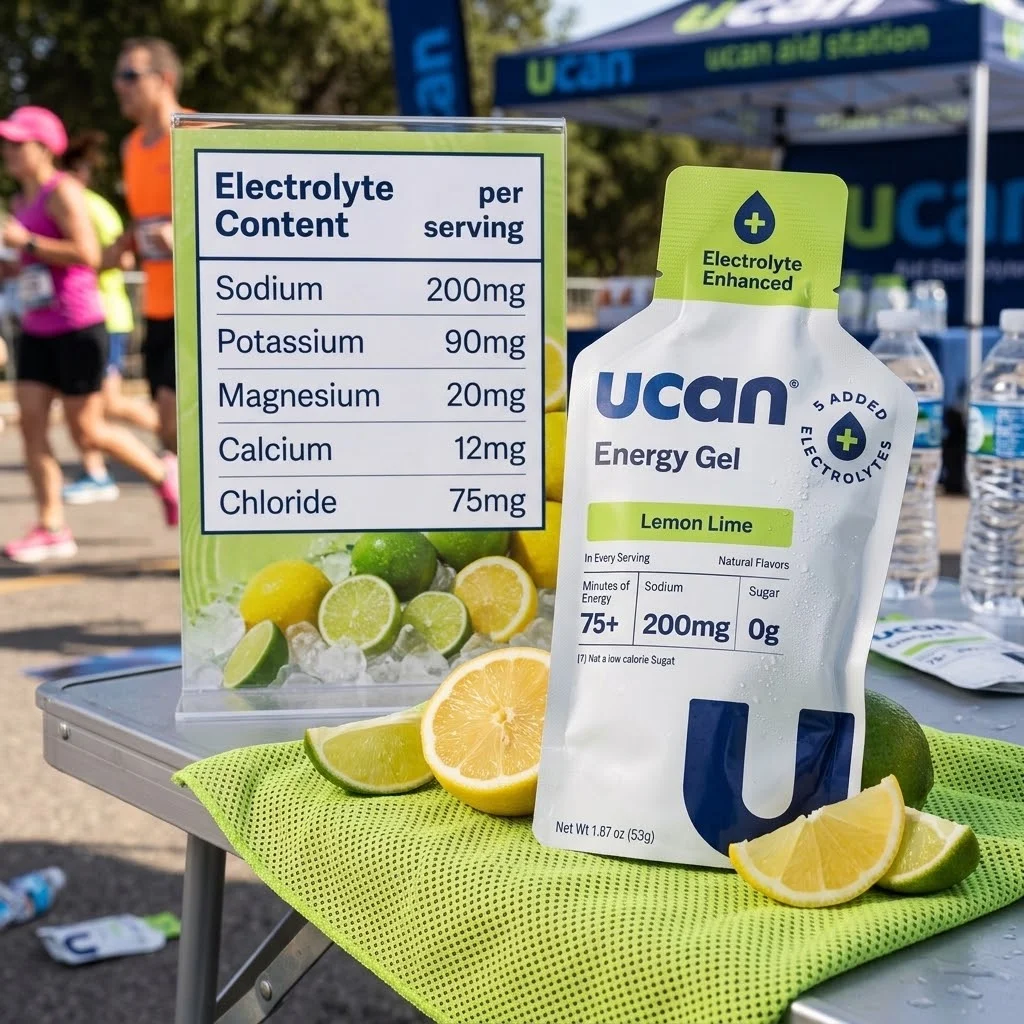
Potassium works in tandem with sodium to maintain the body's electrochemical balance. While sodium regulates fluid outside the cells, potassium regulates fluid inside the cells. It is essential for nerve transmission and proper heart and skeletal muscle function.
Table of Contents
Clinical Summary
Essential for preventing fatigue and cramping, though lost in much smaller quantities through sweat compared to sodium.
Dosage Guidelines
Athletes generally supplement 50mg to 150mg per hour during exercise.
Safety & Side Effects
Toxicity (hyperkalemia) is rare from food/gels but dangerous if over-supplemented, potentially causing cardiac arrhythmias.
Known Interactions
Interacts strongly with ACE inhibitors and potassium-sparing diuretics.
Scientific References
-
1
https://pubmed.ncbi.nlm.nih.gov/7563106/Source: pubmed.ncbi.nlm.nih.gov
-
2
https://pubmed.ncbi.nlm.nih.gov/1656509/Source: pubmed.ncbi.nlm.nih.gov
Medical Disclaimer
The information provided in this clinical review is for educational and informational purposes only. It is not intended to be a substitute for professional medical advice, diagnosis, or treatment.
*These statements have not been evaluated by the Food and Drug Administration (FDA). This product or ingredient is not intended to diagnose, treat, cure, or prevent any disease.
Always consult your physician or other qualified health provider with any questions you may have regarding a medical condition, or before beginning any new diet, fitness, supplement, or treatment regimen, especially if you have pre-existing medical conditions or are taking prescribed medications.