Introduction
The concept of "boosting" the immune system is scientifically inaccurate. The immune system is a highly complex, interconnected network of cells, tissues, and organs that requires balance, not overstimulation. However, ensuring this network has the foundational micronutrients it needs to function optimally is a critical aspect of physiological health.
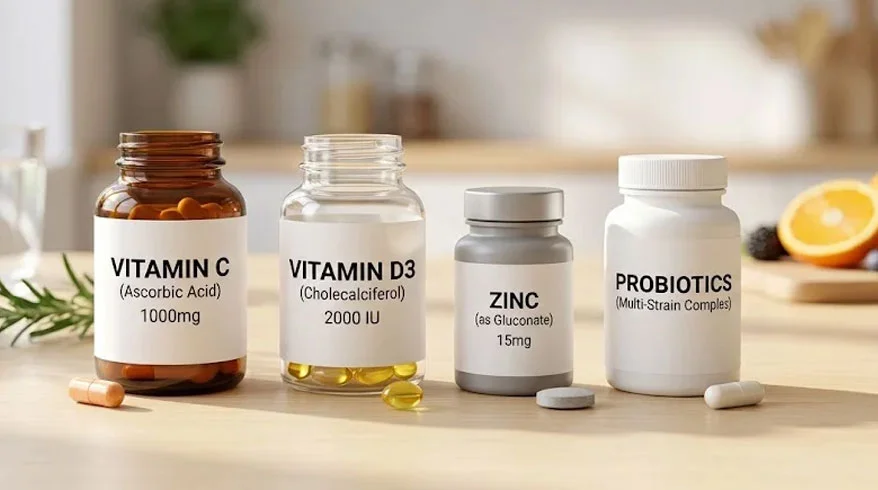
When the body faces environmental stressors, the metabolic demand for certain vitamins and minerals increases. While a nutrient-dense diet remains the primary defense line, clinical research has identified specific supplements that can aid in supporting optimal immune responses. This review evaluates the clinical evidence behind the four most researched immune-supporting compounds: Vitamin C, Vitamin D, Zinc, and Probiotics.
Core Mechanisms: How Micronutrients Support Immunity
The immune system relies on a constant supply of specific nutrients to perform essential tasks. These tasks include the proliferation of immune cells (like T-cells and B-cells), the production of antibodies, and the neutralization of reactive oxygen species (free radicals) generated during an immune response. A deficiency in any key micronutrient can impair these processes, leaving the body's natural defenses operating at a deficit.
Health Benefits & Clinical Evidence
Decades of clinical trials have isolated the mechanisms through which specific vitamins, minerals, and live cultures interact with human biology.
Vitamin C (Ascorbic Acid)
Vitamin C is a potent antioxidant that supports the cellular functions of both the innate and adaptive immune systems. It accumulates in phagocytic cells, such as neutrophils, helping them engulf and destroy pathogens while protecting the host tissue from oxidative damage. According to a landmark Cochrane database systematic review, while daily Vitamin C supplementation does not prevent the common cold in the general population, it has been shown to consistently reduce the duration and severity of symptoms by supporting a more efficient immune response.
Vitamin D
Historically associated primarily with bone health, Vitamin D is now recognized as a critical modulator of the immune system. Vitamin D receptors are present on almost all immune cells. It helps regulate the production of antimicrobial proteins that are crucial for defending against respiratory pathogens. A major meta-analysis published in the British Medical Journal (BMJ) demonstrated that Vitamin D supplementation safely supports the body against acute respiratory tract infections, particularly in individuals who are chronically deficient in this nutrient.
Zinc
Zinc is an essential trace mineral required for the normal development and function of cells mediating innate immunity. It is crucial for intracellular signaling and the maturation of T-lymphocytes. Clinical data indicates that taking zinc—particularly in lozenge form—can support the upper respiratory tract. Research indicates that zinc acetate or gluconate lozenges, when administered within 24 hours of the onset of respiratory stress, may aid in reducing the duration of discomfort by acting locally in the throat.
Probiotics
Approximately 70% of the human immune system resides in the gut, specifically within the gut-associated lymphoid tissue (GALT). The microbiome plays a continuous role in training the immune system to distinguish between harmless antigens and potential threats. Supplementing with specific probiotic strains (such as Lactobacillus and Bifidobacterium) helps maintain a healthy mucosal barrier. Clinical evaluations show that a balanced gut microbiome promotes a regulated immune response and may help maintain respiratory and gastrointestinal health during times of physical stress.
Practical Application & Dosage Guidelines
Integrating these supplements requires attention to correct forms and established upper limits (UL) to avoid toxicity and ensure proper absorption:
- Vitamin C: Water-soluble. The body excretes excess amounts. Doses between 500mg and 1000mg daily are generally well-tolerated, though higher doses may cause mild gastrointestinal upset.
- Vitamin D: Fat-soluble. It should be taken with a meal containing fats (like avocado or olive oil) for optimal absorption. Most adults require 1,000 to 4,000 IU daily to maintain healthy serum levels, depending on sun exposure.
- Zinc: Taking zinc on an empty stomach often causes nausea. It should be taken with food. The tolerable upper limit for adults is 40mg per day from all sources. Long-term high-dose zinc supplementation can interfere with copper absorption.
- Probiotics: Efficacy depends entirely on the strain and CFU (Colony Forming Units) count. Look for products guaranteeing survivability through stomach acid, typically featuring 10 to 50 billion CFUs of well-researched strains.
Conclusion
No single pill can compensate for poor sleep, chronic stress, or a highly processed diet. However, targeted supplementation with Vitamin C, Vitamin D, Zinc, and Probiotics offers scientifically validated support for cellular defense mechanisms. When used correctly and consistently, these compounds help maintain the structural integrity and responsiveness of the immune system.

The Health Findings Lab Research Team is a dedicated group of health writers, data analysts, and editorial reviewers. Operating under strict, evidence-based editorial guidelines, the team synthesizes peer-reviewed clinical literature to provide objective insights. Our collaborative approach ensures that every review prioritizes verifiable efficacy and manufacturing transparency over marketing hyperbole.