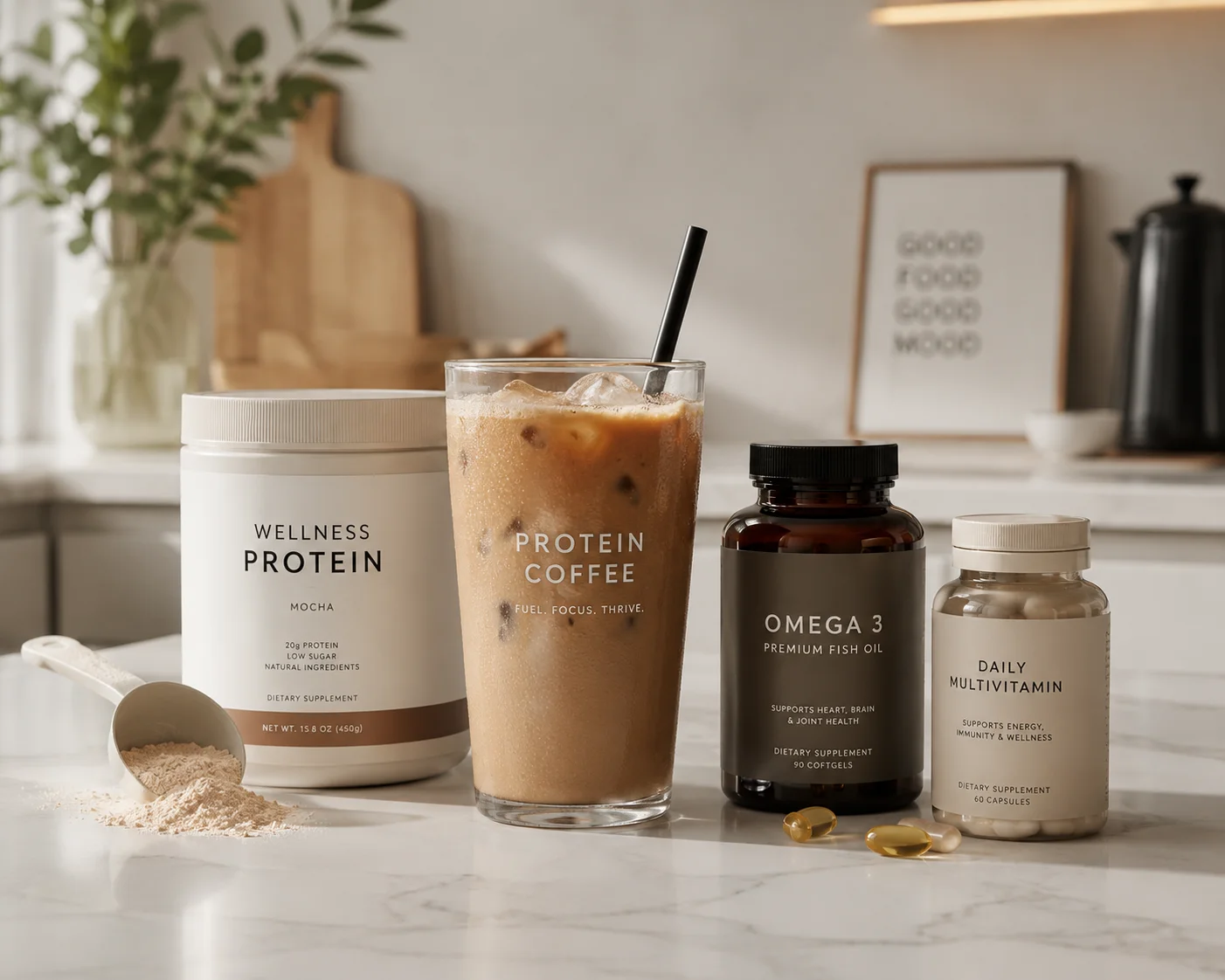
Coffee shops from Los Angeles to New York are now blending espresso shots directly into protein shakes, and the trend has a name: proffee. It is not a gimmick born on social media alone — it reflects a genuine shift in how the American consumer approaches breakfast, trading sugar-heavy pastries for a macronutrient-dense, caffeinated liquid meal.
The appeal is not just taste. Combining a fast-acting stimulant with a slow-digesting macronutrient touches multiple physiological systems at once: energy metabolism, appetite regulation, and cognitive alertness. Understanding what is actually happening inside the body when caffeine and protein are consumed together helps separate a genuinely useful habit from another passing wellness fad.
The Science: How Caffeine and Protein Interact
Caffeine's primary mechanism of action is well documented: it is a non-selective antagonist of adenosine receptors, particularly the A1 and A2A subtypes in the central nervous system. Adenosine accumulates throughout the day and binds to these receptors to promote drowsiness; by blocking that binding, caffeine delays the perception of fatigue and increases neuronal firing, which is why coffee is experienced as an alertness booster rather than a source of energy itself.
Protein contributes a different but complementary effect. Amino acid digestion carries a comparatively high thermic effect of food (TEF) — the energy the body spends breaking macronutrients down — and protein-heavy meals are consistently associated with greater satiety signaling and reduced subsequent energy intake compared to carbohydrate- or fat-dominant meals. In a proffee format, this means the rapid subjective "lift" from caffeine is paired with a macronutrient that blunts the mid-morning energy crash and hunger spike often associated with coffee consumed on an empty stomach.
Some proffee formulations go a step further by adding micronized creatine monohydrate. Creatine is best known for supporting the phosphocreatine energy system in skeletal muscle, but a growing body of controlled research is also examining its role in brain bioenergetics. A 2024 systematic review and meta-analysis of sixteen randomized controlled trials found that creatine monohydrate supplementation was associated with measurable improvements in memory and processing speed in adult populations, an area of nutrition science that is still expanding.
Clinical Evidence & Health Benefits
When the components of a proffee routine are evaluated individually against the current evidence base, several compliant, well-supported benefits emerge:
- Sustained mental alertness: Caffeine's adenosine-blocking action is linked to improved short-term vigilance and reaction time, particularly in sleep-restricted individuals.
- Improved satiety signaling: The higher thermic effect of protein may aid in appetite regulation, supporting more consistent energy intake across the morning.
- Lean muscle maintenance support: Regular intake of high-quality protein is associated with the preservation of lean muscle mass, especially when paired with resistance training.
- Cognitive and memory support: Emerging RCT data suggests creatine monohydrate may aid short-term memory and information processing speed in healthy adults.
- Joint and recovery support: Creatine's role in cellular energy (ATP) regeneration is linked to faster recovery between bouts of physical activity.
- Cardiovascular and metabolic relevance: Moderate, consistent caffeine intake has been studied in relation to metabolic rate and vascular signaling, though individual cardiovascular response varies and should be monitored.
Important Considerations & Usage
Formulation matters more than most home baristas assume. Traditional creatine monohydrate powder is notoriously difficult to dissolve in cold liquids like iced proffee, often settling at the bottom of the glass — a texture issue frequently cited as the top reason people abandon supplementation. This is where micronized, pre-dosed formats have gained traction with the mainstream wellness audience: they are engineered to disperse rather than clump, which removes the single biggest usability barrier.
For readers building creatine into a proffee habit, a widely researched approach is a daily maintenance dose in the range of 3–5 grams, taken consistently rather than cycled. This is the exact serving size used in most of the RCTs cited above, and it is the amount found in a single-serving micronized creatine monohydrate gummy pouch, which sidesteps the scoop-and-stir step entirely and can be taken alongside — rather than mixed into — the coffee itself.
On the protein side, whey or a neutral-tasting isolate blends most easily into cold brew or iced espresso without curdling, while collagen or casein blends are better suited to warm preparations. Timing proffee within an hour of waking is common practice, though total daily protein and caffeine intake across all sources matters more than the timing of any single beverage.
Safety Profile & Potential Side Effects
Caffeine intake up to roughly 400 mg per day is generally considered safe for healthy, non-pregnant adults by most public health bodies, though individual sensitivity varies considerably. Common side effects at higher doses include jitteriness, elevated heart rate, and disrupted sleep if consumed too late in the day. Individuals with anxiety disorders, arrhythmias, or uncontrolled hypertension should discuss caffeine intake with a physician.
Creatine monohydrate has one of the most extensive safety profiles of any studied dietary supplement, with long-term trials showing no significant adverse effects at standard doses in healthy adults. Mild gastrointestinal discomfort or water retention can occur, particularly during a "loading phase," which is why a steady daily maintenance dose is generally preferred over loading. People with pre-existing kidney disease should consult a healthcare provider before beginning any creatine regimen. High-protein beverages should also be reviewed by anyone with existing renal impairment.
Conclusion & Recommendation
Proffee is less a fad than a logical convergence of three well-studied compounds — caffeine, protein, and increasingly, creatine — each targeting a different physiological lever: alertness, satiety, and cellular energy. The clinical literature supports its individual components more strongly than it supports any single "proffee" formulation as a whole, so the practical value comes down to formulation quality and consistency of use.
For readers looking to add a research-backed creatine component without the clumping and measuring hassle of traditional powders, a pre-dosed, third-party tested micronized creatine monohydrate gummy offers a straightforward way to hit the standard 5-gram maintenance dose alongside a morning proffee, without altering the drink's taste or texture.

The Health Findings Lab Research Team is a dedicated group of health writers, data analysts, and editorial reviewers. Operating under strict, evidence-based editorial guidelines, the team synthesizes peer-reviewed clinical literature to provide objective insights. Our collaborative approach ensures that every review prioritizes verifiable efficacy and manufacturing transparency over marketing hyperbole.