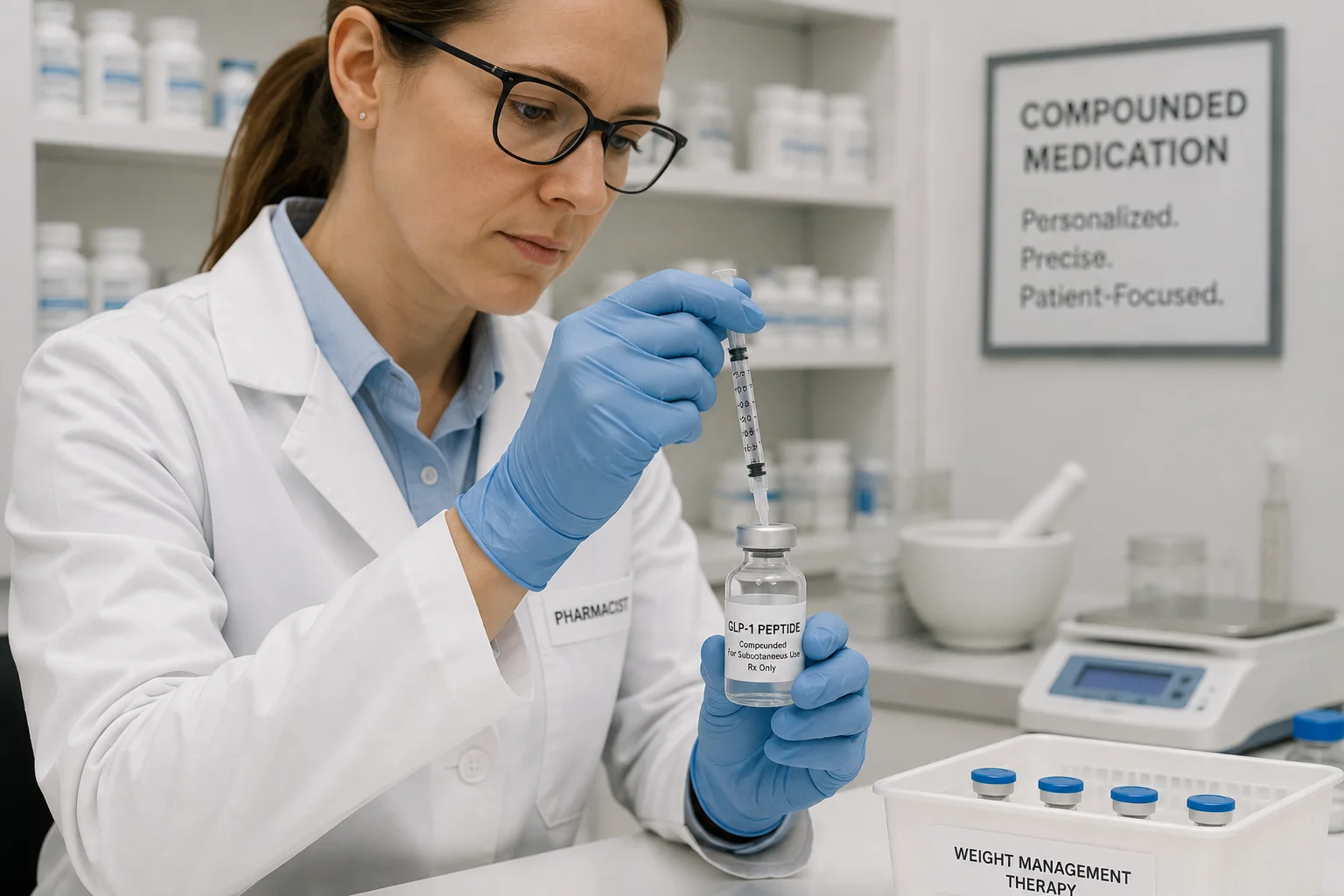
Semaglutide and tirzepatide have become the most talked-about tools in weight management, and the numbers explain why: some trials report average weight reductions above 15-20% of body weight. But a question is showing up more often in patient forums and physician offices alike: how much of that lost weight is actually fat, and how much is muscle?
The data is not reassuring by default. Multiple systematic reviews confirm that GLP-1 receptor agonists reduce lean body mass alongside fat mass, and for older adults or anyone with a lower starting muscle reserve, that distinction carries real functional consequences.
How GLP-1 Drugs Affect Muscle: The Underlying Biology
GLP-1 receptor agonists were not designed to target muscle tissue directly. Their primary mechanism involves slowing gastric emptying, increasing satiety signals in the brain, and improving insulin secretion. The muscle loss observed in trials is largely a downstream effect of the calorie deficit itself, not a direct drug action on muscle fibers.
When the body loses weight rapidly, roughly 20-30% of that loss typically comes from lean tissue under normal caloric restriction. Because GLP-1 medications can produce steeper and faster weight loss than most diet-only interventions, that lean tissue loss becomes more clinically visible, even when the percentage is comparable. Reduced food intake also means lower protein consumption, which limits the raw material muscle needs for repair and maintenance, especially in patients who are not adjusting their diet or activity levels alongside treatment.
What the Clinical Trials Actually Show
Several meta-analyses and body-composition substudies have quantified this effect in detail:
- A meta-analysis of 19 randomized controlled trials found that GLP-1 receptor agonist users experienced significantly greater reductions in lean body mass compared with non-users, even though lean mass as a percentage of total weight lost was similar between groups (PubMed, 2024).
- A network meta-analysis of 22 trials found that lean mass loss made up approximately 25% of total weight lost on average, with tirzepatide and high-dose semaglutide among the least effective agents at preserving lean mass, while liraglutide was the only agent in the analysis linked to weight loss without a statistically significant lean mass reduction (Metabolism, 2024).
- A 2025 review in Diabetes, Obesity and Metabolism notes that reported lean mass reductions vary widely across studies, from as little as 15% to as much as 60% of total weight lost, a spread the authors attribute to differences in study populations, drug type, and measurement method (DOM, 2024).
- A separate clinical roundtable review concluded that trial participants on incretin-based therapies lost 10% or more of total muscle mass over 68-72 week treatment periods, an amount comparable to roughly two decades of normal age-related muscle decline compressed into little over a year (Obesity Reviews, 2025).
- The SEMALEAN study, a prospective cohort following 106 patients on semaglutide 2.4 mg for 12 months, documented significant reductions in fat mass alongside measurable changes in muscle function markers, reinforcing that body composition monitoring, not just scale weight, is relevant during treatment (PMC, 2025).
Taken together, the evidence base is consistent on one point: lean mass loss during GLP-1 therapy is real and measurable, but its severity depends heavily on the specific medication, dose, patient age, and whether nutrition and activity are being managed alongside treatment.
Practical Steps Linked to Preserving Muscle
Clinical guidance published alongside these trials points to a small set of interventions consistently associated with better lean mass retention:
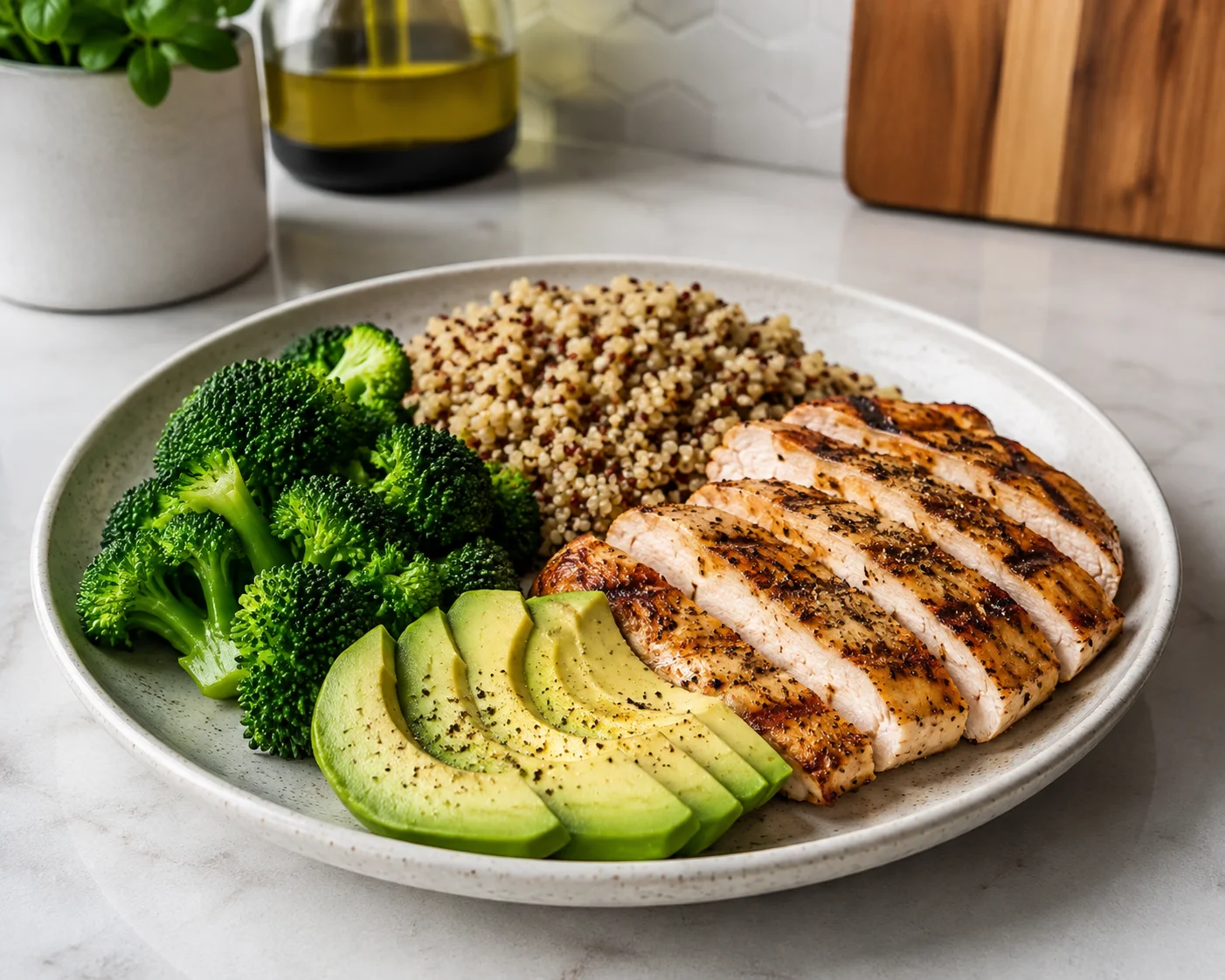
- Higher protein intake. Several reviews link adequate dietary protein, generally above standard recommended intakes, to reduced lean mass loss during calorie-restricted weight loss, including GLP-1-assisted weight loss.
- Resistance training. Structured strength training two to three times a week is the intervention most frequently cited across reviews as supporting muscle retention during periods of significant weight reduction.
- Baseline and follow-up body composition assessment. Researchers increasingly recommend tracking muscle mass and function, not just body weight, so that lean tissue loss can be identified early rather than discovered only after functional decline appears.
- Individualized dosing and pacing. Slower titration and closer monitoring may allow physicians to balance fat loss goals against muscle preservation, particularly in older adults or those with lower baseline muscle reserves.
None of these strategies are unique to GLP-1 therapy; they reflect long-standing principles from weight-loss and sarcopenia research generally. What has changed is the urgency, because the pace and magnitude of weight loss with these medications makes muscle preservation a more immediate consideration than it was with slower, diet-only approaches.
Safety Profile and Who Should Pay Closer Attention
Muscle loss during GLP-1 therapy is not classified as a medication side effect in the traditional sense, but as a consequence of the weight loss process itself. Even so, certain groups warrant closer monitoring:
- Older adults. Because muscle mass naturally declines with age, additional loss from rapid weight reduction raises the risk of frailty and reduced physical function.
- People with a low baseline muscle reserve, including those with sarcopenic obesity, where high fat mass co-exists with low muscle mass even before starting treatment.
- Patients losing weight very rapidly, since faster loss is generally associated with a higher proportion of lean tissue loss compared with more gradual weight reduction.
Anyone in these groups should discuss body composition monitoring and a structured nutrition and exercise plan with their prescribing physician before and during treatment, rather than waiting until noticeable weakness or fatigue appears.
The Bottom Line
GLP-1 receptor agonists are among the most effective tools currently available for meaningful weight reduction, but the data is clear that a portion of that weight loss comes from muscle, not fat alone. This is not a reason to avoid these medications; it is a reason to pair them with adequate protein intake, resistance training, and periodic body composition monitoring, the same interventions the research consistently links to better outcomes.
For readers evaluating whether a GLP-1 medication is the right fit in the first place, including a closer look at efficacy data and the safety warnings that apply to the entire drug class, our companion piece breaks down the trial evidence in full: GLP-1 Weight Loss Drugs: What the Science Shows.

The Health Findings Lab Research Team is a dedicated group of health writers, data analysts, and editorial reviewers. Operating under strict, evidence-based editorial guidelines, the team synthesizes peer-reviewed clinical literature to provide objective insights. Our collaborative approach ensures that every review prioritizes verifiable efficacy and manufacturing transparency over marketing hyperbole.