Key Takeaways
- Muscle Preservation: When paired with resistance training, creatine helps women maintain lean muscle mass and bone strength as estrogen declines.
- Brain Energy: Emerging trials suggest creatine improves working memory and processing speed, combatting menopause-related brain fog.
- The Best Form: Plain creatine monohydrate remains the most effective, safest, and most affordable option for post-menopausal women.
Creatine is no longer just for bodybuilders. Over the last few years, creatine sales among women have jumped sharply, driven by new clinical trials targeting two distinct midlife complaints: menopause-related brain fog and accelerated muscle loss.
Historically, sports nutrition research focused heavily on young men. Now, the scientific focus has shifted toward how hormonal changes impact cellular energy. When estrogen levels drop during perimenopause and menopause, the body loses some of its natural ability to maintain muscle mass and produce energy in the brain.
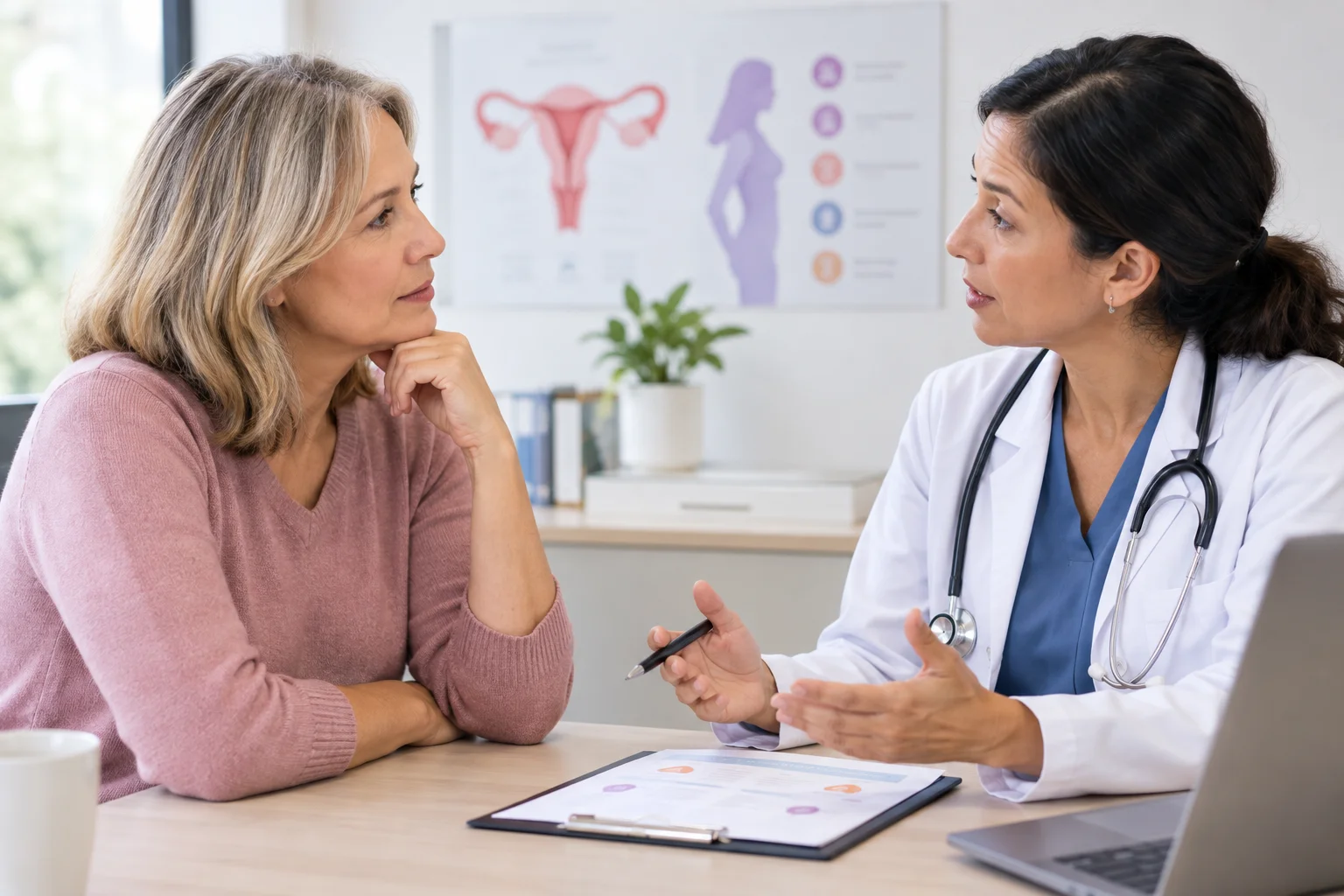
This raises a highly searched question: should menopausal women take creatine? The short answer from the latest clinical data is yes—but the way you use it matters heavily.
The Menopause, Estrogen, and Muscle Connection
Estrogen naturally supports muscle protein synthesis. Think of it as a biological manager that helps your body efficiently repair and build muscle tissue. When estrogen levels decline, many women experience sarcopenia, which is the age-related loss of muscle mass and strength.
While many women explore hormone replacement therapy (HRT) to manage a wide range of symptoms, targeted nutrition and resistance training become absolute necessities for bone and muscle health. Understanding how much protein you actually need is the first step. The second step is understanding how your cells use energy.
Creatine works by increasing your body's stores of phosphocreatine. This compound helps produce ATP (adenosine triphosphate), the primary energy currency of your cells. When you lift a weight or carry heavy groceries, your muscles use ATP. By having more stored creatine, your muscles can work harder and recover faster.
A recent meta-analysis of post-menopausal women showed that supplementing with creatine, specifically when combined with weight training, significantly increased both muscle mass and upper-body strength compared to a placebo. Taking creatine without exercising offers minimal physical benefits, but pairing it with resistance training creates a powerful defense against muscle loss.
Brain Fog and Cognitive Health
Physical strength is only half the story. Brain fog, memory lapses, and mental fatigue are among the most frustrating complaints during the menopausal transition. If you have already looked into cognitive supplements for focus and stress, you likely know the brain demands massive amounts of energy.
The brain accounts for roughly 20% of the body's energy consumption. Just like your muscles, your brain uses ATP to function. Research indicates that estrogen helps regulate energy production in the brain. As estrogen drops, the brain's energy metabolism can fluctuate, leading to the sensation of "brain fog."
Clinical trials indicate that creatine crosses the blood-brain barrier. Higher brain creatine levels are linked to improved cognitive processing, better working memory, and reduced mental fatigue, particularly under stress or sleep deprivation. For menopausal women, replenishing this cellular energy reserve appears to help bridge the gap left by fluctuating hormones.
Clinical Evidence Summary
| Health Target | Evidence Level | What Research Suggests |
|---|---|---|
| Muscle Mass & Strength | Strong | Increases lean tissue and strength in post-menopausal women when combined with resistance training. |
| Bone Density | Moderate | May help slow bone mineral loss in aging women, particularly when paired with heavy weightlifting. |
| Cognitive Function (Brain Fog) | Emerging/Moderate | Shows promise in improving working memory and processing speed during estrogen decline. |
What is the Best Creatine for Menopausal Women?
With an overwhelming number of supplements on the market, finding the best creatine for women in menopause can feel complicated. Supplement companies often market expensive "women's formulas" containing proprietary blends, gummies, or liquid serums.
The clinical consensus is incredibly clear: creatine monohydrate is the superior choice.
Creatine monohydrate is the exact form used in almost every major clinical trial over the last 30 years. It has a nearly perfect safety profile, 100% bioavailability, and is highly affordable. When searching for the best creatine for post menopausal women, look for a product that contains a single ingredient: 100% pure creatine monohydrate. Brands that use "Creapure" (a highly purified, German-made creatine) offer an excellent standard of quality, but any reputable, third-party tested monohydrate powder will work.
Forms like creatine HCL, creatine ethyl ester, or buffered creatine have never been proven to be more effective than standard monohydrate, despite costing significantly more.
Dosage and Safety Profile
If you are already eating a high-protein diet, you might wonder if supplementation is necessary. While beef and fish naturally contain creatine, you would need to consume several pounds of meat daily to reach the doses used in clinical studies.
How much should you take?
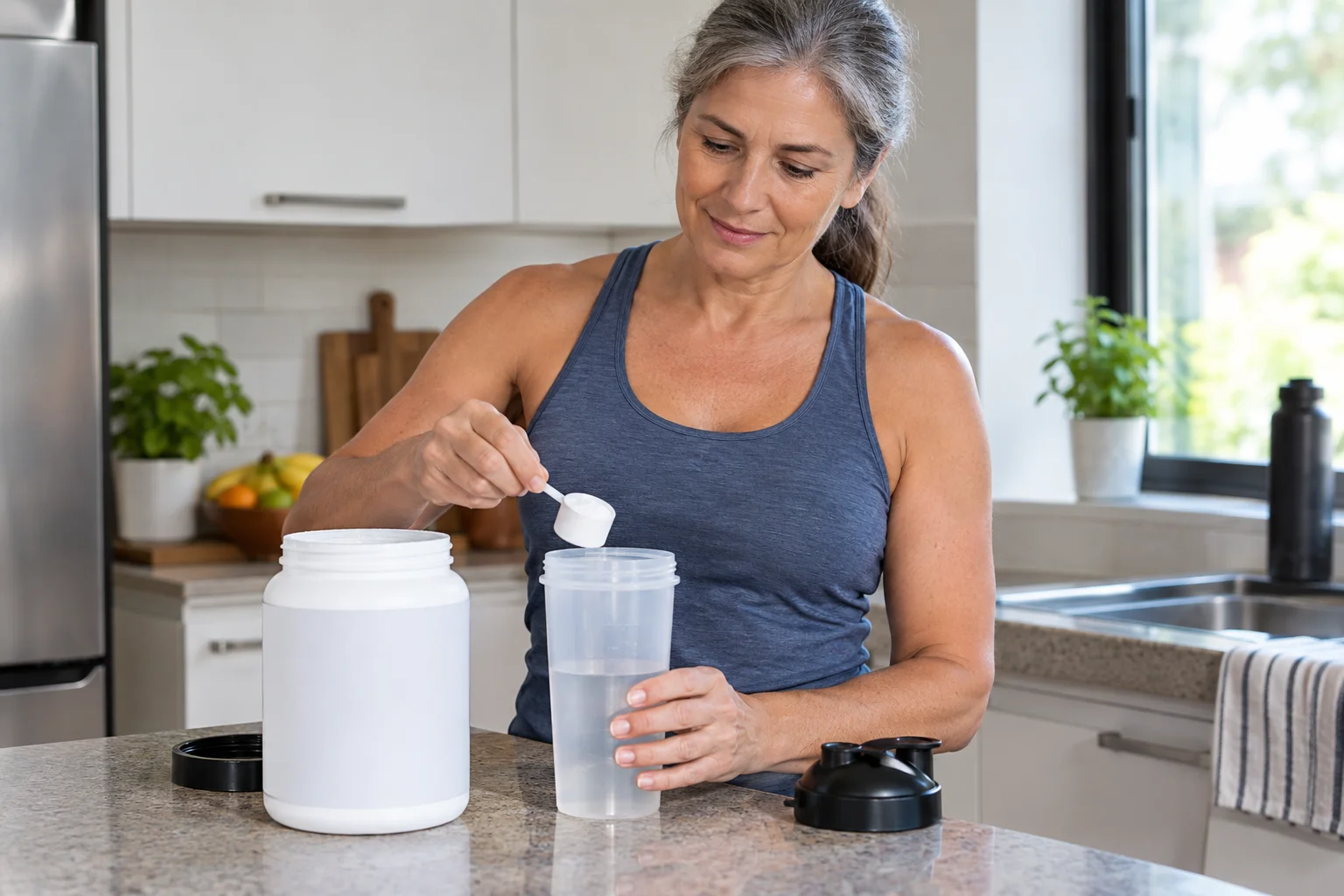
Clinical trials indicate that 3 to 5 grams per day is the optimal maintenance dose. You can take it at any time of day, ideally mixed into water, a smoothie, or yogurt. Consistency matters more than timing; creatine builds up in your tissues over several weeks.
Will it cause weight gain or bloating?
A common fear is that creatine causes massive water retention and weight gain. While a slight increase in intracellular water (water held inside the muscle cells) can occur during the first week, this is a sign the supplement is working. It makes muscles look firmer and more hydrated. Research shows that a standard 3-5g daily dose does not cause long-term bloating or fat gain in women.
Frequently Asked Questions
Does creatine help with menopause belly?
Creatine does not directly burn belly fat. However, because it helps you build and maintain lean muscle mass, it increases your overall metabolic rate. More muscle means you burn more calories at rest, which can indirectly support healthy body composition.
Can I take creatine if I don't work out?
You can, and it may still offer cognitive benefits for brain fog. However, you will miss out on the bone density and muscle preservation benefits. The physical benefits of creatine are firmly tied to resistance training.
Is creatine safe for women over 50?
Yes. The International Society of Sports Nutrition confirms that standard dosages of creatine monohydrate are safe and well-tolerated across the lifespan, including for women over 50. It does not negatively impact kidney function in healthy adults.
Disclaimer: The information provided in this article is for educational purposes only and is not intended as medical advice. Consult with a healthcare professional before starting any new supplement regimen, especially if you have pre-existing health conditions or are taking medication.

The Health Findings Lab Research Team is a dedicated group of health writers, data analysts, and editorial reviewers. Operating under strict, evidence-based editorial guidelines, the team synthesizes peer-reviewed clinical literature to provide objective insights. Our collaborative approach ensures that every review prioritizes verifiable efficacy and manufacturing transparency over marketing hyperbole.